
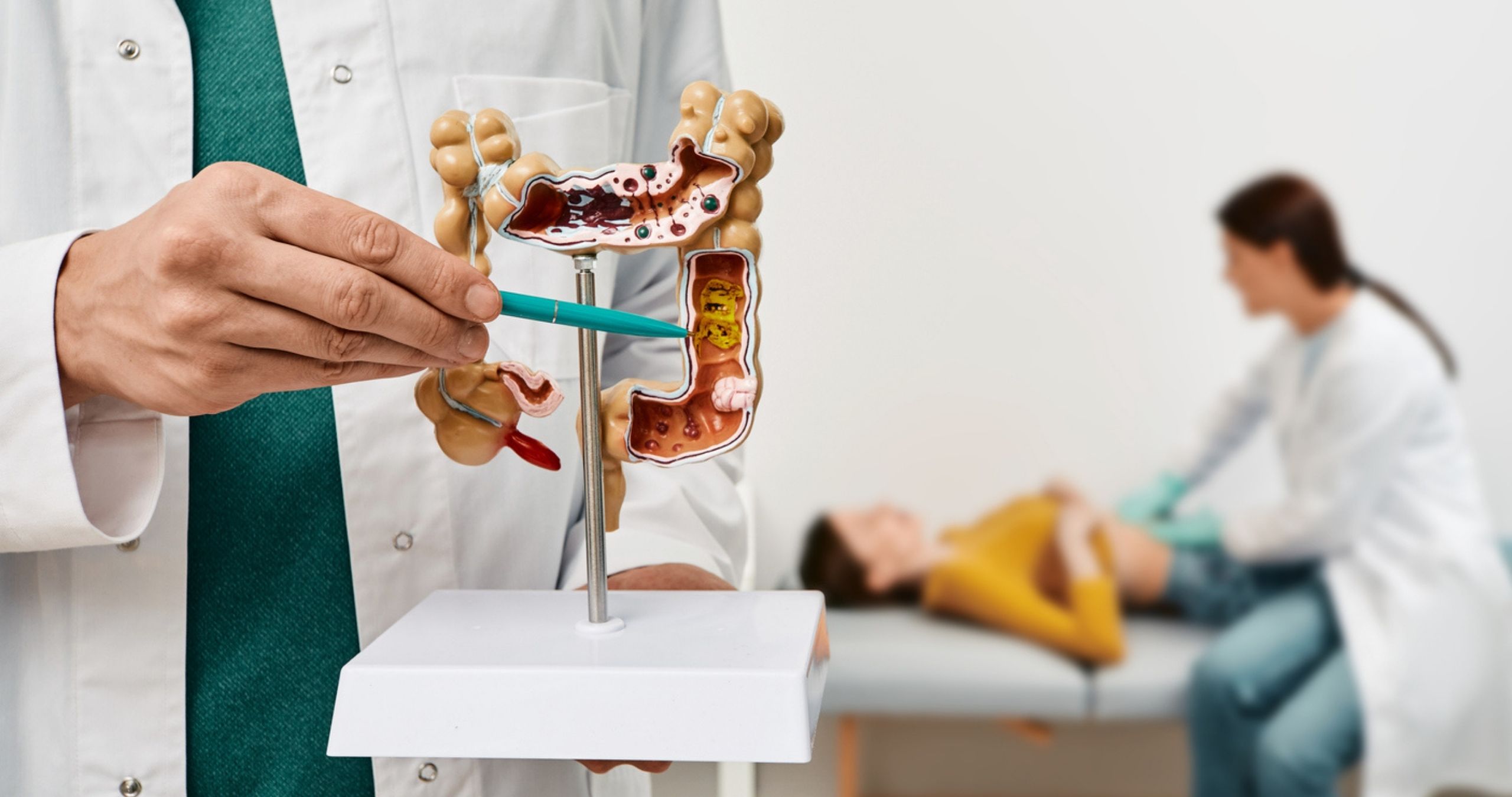
Hearing that your doctor found something during your colonoscopy can bring on a wave of worry, even when the news is routine. If your report mentions polyps in colon tissue, take a breath first. Finding polyps is one of the most common findings on a colonoscopy, and removing them is often the entire point of the procedure.
Millions of colonoscopies are performed across the country every year, and a large share of them find at least one polyp. Knowing what happens right after removal, what your pathology report actually means, and when you will need your next screening can turn confusion into confidence fairly quickly.
What Colon Polyps Are
Before your results make sense, it helps to know what a polyp is and why your gastroenterologist chose to remove it during the procedure rather than wait to see how it would grow. Understanding the biology of polyps in colon tissue makes every subsequent step much easier to follow.
How Polyps Form and Why They Matter
A colon polyp is a cluster of extra cells that grows along the lining of the large intestine. Colon polyps usually start out harmless, then slowly change shape and structure across many years. Most colorectal cancer begins exactly this way, growing first as a small, quiet polyp long before it ever becomes a real health threat.
The Main Types Your Doctor Looks For
Not every polyp carries the same level of risk. Adenomatous polyps are the most common type with true cancer potential, while hyperplastic polyps rarely turn dangerous. Your gastroenterologist weighs size, shape, and location together to decide how urgently each growth needs attention.
What Happens the Moment a Polyp Is Found
Once your doctor spots a polyp during the colonoscopy, the plan shifts into action almost immediately. The tools built into the scope allow your care team to handle most polyps on the spot, without scheduling a separate visit or surgery down the road.
Removal During the Same Procedure
Your gastroenterologist threads small instruments, such as a wire loop or forceps, through the colonoscope to snip or shave away the growth. This step, known as a polypectomy, adds only a few extra minutes to your procedure and rarely causes any discomfort you would notice once you wake up.
Where the Tissue Goes Next
Every removed polyp is sent to a lab, where a pathologist examines the tissue under a microscope. This step confirms whether it is benign, precancerous, or requires closer attention, and the results typically arrive within 1 to 2 weeks after your procedure.
Making Sense of Your Pathology Report
Waiting on lab results can feel like the hardest part of this whole process, especially once medical terms start filling the page. Breaking the report down into a few plain categories makes it much easier to understand what your specific findings mean for your own health.
Common Results and What They Mean
Reports usually fall into a handful of categories, and each one points toward a different level of concern:
- Hyperplastic polyps, which are almost always harmless and rarely need special follow-up care
- Tubular adenomas, the most frequent precancerous type, generally low risk when caught small
- Villous or tubulovillous adenomas, which carry a higher chance of turning cancerous over time
- Sessile serrated polyps, flat growths that can be trickier to spot but are treated seriously once found
- Polyps showing high-grade dysplasia, meaning abnormal cells that call for closer monitoring ahead
When a Result Needs a Second Look
Occasionally, a polyp is too large or awkwardly positioned to be removed completely on the first attempt. In these cases, your doctor may suggest a referral to a specialist or a repeat procedure to confirm that no abnormal tissue was left behind.
Deciding When You Need Your Next Colonoscopy
The single biggest question most patients have after a polyp removal is when they need to come back for another look. The honest answer depends entirely on what the pathology report shows, since low-risk and higher-risk findings call for very different timelines.
Factors That Shorten the Interval
Your doctor weighs several details before scheduling your next visit. Generally, the timeline tightens when any of the following apply to your results:
- You had three or more adenomas removed during one single procedure
- A polyp measured larger than one centimeter across
- Pathology showed villous features or high-grade dysplasia present
- Bowel preparation was incomplete, limiting your doctor’s full view
- You have a family history of colorectal cancer or colon polyps
What a Low-Risk Finding Usually Means
If your doctor removed one or two small, low-risk adenomas and had a clear view of your entire colon, future screening often gets pushed out to seven or even ten years. Your gastroenterologist will give you a specific date rather than a general guideline, since every case is genuinely personal.
Protecting Your Colon Health Going Forward
A polyp diagnosis is not a life sentence, but it is a clear signal that your colon deserves ongoing attention from here on out. Small daily habits paired with consistent screening give you real, lasting control over what happens next.
Everyday Habits Worth Building
Eating more fiber, staying physically active, and limiting red or processed meat all support a healthier colon lining over time. Cutting back on alcohol and avoiding tobacco lowers your risk even further, and none of these changes require a drastic overhaul of your lifestyle.
Symptoms That Deserve a Call Between Screenings
Even with a clear follow-up plan in place, some changes in bowel habits or new rectal bleeding should never wait for your next scheduled appointment. Contact your doctor promptly whenever something feels different from your normal pattern.
Schedule Your Colonoscopy in St. Petersburg or Clearwater, FL
If you have polyps in colon tissue found during a recent screening, or you are overdue for your first colonoscopy, the team at Florida Digestive Specialists is ready to help. Our gastroenterologists bring decades of combined experience to colon cancer screening and polyp management for patients throughout the Tampa Bay area. Schedule your consultation today and take the next step toward protecting your long-term digestive health.