
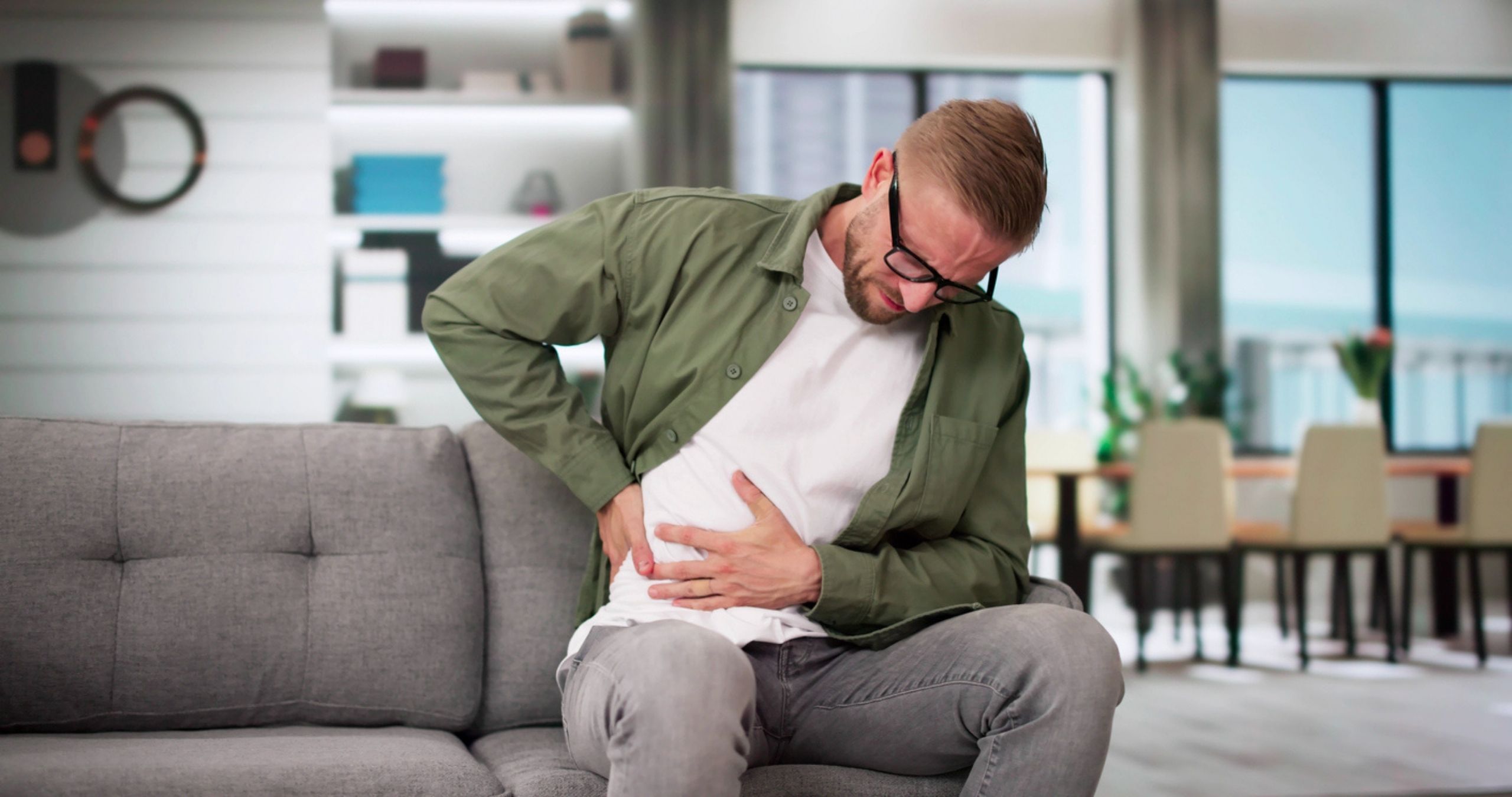
A sudden ache under your right ribs after dinner is easy to blame on a big meal. For many people, though, that discomfort is the first sign of gallstones, small hardened pieces that form inside the gallbladder and sometimes block bile flow. Gallstones are far more common than most people realize, and recognizing gallbladder pain symptoms early can help you avoid a painful emergency down the road.
The gallbladder is a small pouch tucked beneath the liver that stores bile, a fluid your body uses to break down fat. When gallstones form and get stuck in the ducts that carry bile out of the gallbladder, they can trigger pain, nausea, and other symptoms that come back repeatedly until you treat the problem. Understanding what a gallbladder attack feels like, and when it signals something more serious, helps you get care before complications set in.
What Gallbladder Pain Feels Like
Gallbladder pain has a pattern that sets it apart from a typical stomachache. Once you know what to watch for, it becomes much easier to recognize an attack instead of writing it off as indigestion.
Where the Pain Strikes
Most people feel gallbladder pain in the upper right part of the belly, just below the ribs. The discomfort can also spread to the center of the abdomen, the right shoulder blade, or the back between the shoulders. This spreading pain happens because the nerves near the gallbladder share pathways with nerves in nearby areas of the body.
What Triggers an Attack
Gallbladder pain, sometimes called biliary colic, tends to show up after eating, especially after a fatty or fried meal. Eating signals the gallbladder to squeeze bile into the small intestine, and if a stone is blocking the path, that squeezing creates pressure and pain. This type of biliary colic pain tends to build to a peak and then fade over minutes to hours as the stone shifts or the pressure eases, though attacks are unpredictable and can strike at any time.
Common Gallbladder Pain Symptoms Beyond the Abdomen
Pain is usually what sends people looking for answers, but gallstones rarely act alone. Several other symptoms often show up alongside a gallbladder attack, and noticing the full pattern helps your doctor reach the right diagnosis faster.
Warning Signs to Watch For
The following symptoms commonly accompany gallbladder pain and are worth mentioning to your doctor, even if they seem minor on their own:
- Nausea or vomiting, especially after eating fatty food
- Bloating or a feeling of fullness that lingers after meals
- Belching or gas that doesn’t bring much relief
- Tenderness when pressing on the upper right abdomen
- Pain that wakes you up in the middle of the night
How Meals Can Make Symptoms Worse
Fatty, fried, and heavily processed foods place the greatest demand on the gallbladder because they require more bile to digest. People with gallstones often notice a clear connection between a rich meal and the start of their symptoms, which is a useful clue to share during a doctor’s visit. Keeping a simple log of what you ate before an attack can help your gastroenterologist connect the dots.
When Gallbladder Pain Signals an Emergency
Not every gallbladder symptom requires a trip to the emergency room, but some do. Knowing the difference between a typical attack and a true complication can prevent a minor problem from turning into a dangerous one.
Red Flag Symptoms
Certain symptoms mean a gallstone may completely block bile flow or cause an infection. Seek immediate care if pain becomes so intense you cannot sit still, your skin or eyes turn yellow, or you develop a high fever with chills. Dark urine and pale, clay-colored stools also indicate that bile isn’t reaching the intestine as it should.
Complications of Untreated Gallstones
When gallstones are left untreated, the risk of complications rises. A stone that stays lodged can inflame the gallbladder (cholecystitis), or it can travel into the bile duct and block it, affecting the liver and pancreas. In more serious cases, gallstone pancreatitis can develop, a painful inflammation of the pancreas that often requires hospitalization.
Who Is Most at Risk for Gallstones?
Anyone can develop gallstones, but certain factors make them far more likely. Knowing your personal risk can help you and your doctor decide how closely to monitor your digestive health.
Factors You Cannot Change
Age, sex, and family history all affect gallstone risk. Gallstones affect close to 25 million people in the United States, and women, older adults, and those with a family history of gallstones face a higher chance of developing them.
Factors You Can Manage
Lifestyle habits also influence gallstone risk in ways you have more control over. Excess weight, rapid weight loss, and a diet low in fiber and high in refined carbohydrates all raise the odds of forming stones. Steady, gradual weight loss and a diet built around whole foods can help lower your risk over time.
Diagnosing and Treating Gallbladder Pain
If your symptoms match the pattern of a gallbladder attack, a gastroenterologist can confirm the diagnosis and walk you through your treatment options. The process is usually straightforward and moves quickly once your symptoms are documented.
How Doctors Confirm Gallstones
Diagnosis typically follows a clear sequence:
- Your doctor reviews your symptoms and medical history, paying close attention to when pain occurs and what triggers it.
- Blood tests check for signs of infection, inflammation, or a blocked bile duct.
- An abdominal ultrasound provides a clear picture of the gallbladder and often confirms stones.
- If more detail is needed, your doctor may recommend a specialized procedure, such as ERCP, to examine and treat bile-duct blockages directly.
Treatment Options
Silent gallstones that cause no symptoms often don’t need treatment. But once gallstones start causing pain, removing the gallbladder is usually the most reliable long-term solution, since stones tend to keep forming and causing repeat attacks otherwise. Endoscopic procedures can also detect bile duct blockages and address certain complications without full surgery, depending on your specific situation.
Get Answers for Your Gallbladder Pain Symptoms in St. Petersburg, FL
Recurring pain under your right ribs, especially after meals, deserves a closer look. At Florida Digestive Specialists, our gastroenterologists have decades of combined experience diagnosing and treating gallbladder and biliary conditions throughout the Tampa Bay area. We offer same-week procedure availability, and most patients are seen within 24 hours of calling.
You do not need to keep guessing about the cause of your abdominal pain. Schedule your consultation today for a clear diagnosis and a treatment plan tailored to your symptoms.